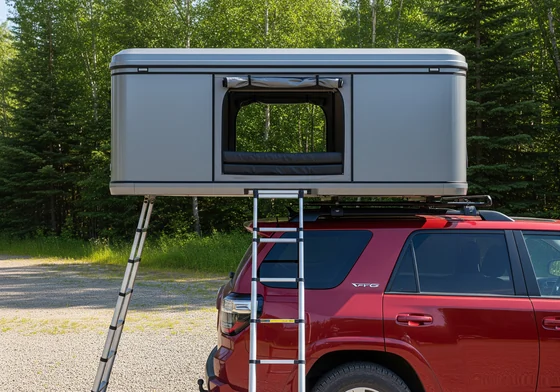
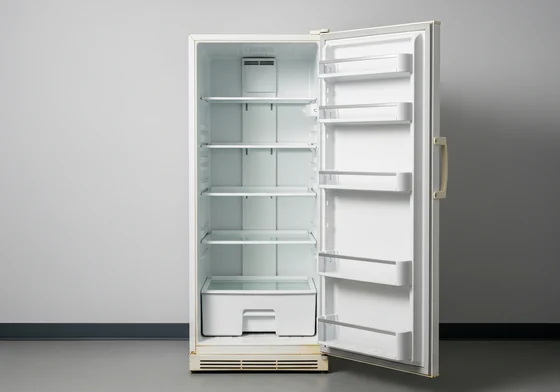
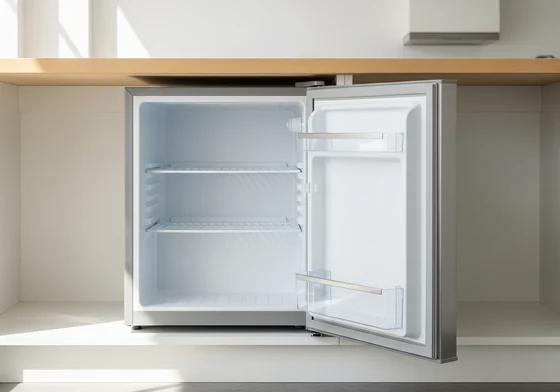
Task 5 is the longest and strangest thing on the speaking test, and the only one that runs across three separate screens. It is also the one candidates most often misunderstand before they open their mouths, because the shape of it is genuinely counterintuitive.
On the real test, two options appear: two properties, two venues, two pieces of equipment. You get 60 seconds to compare them and pick one, and nothing is recorded during that minute. Then the screen changes. You get 60 seconds of preparation, then 60 seconds to speak, and your job is to persuade somebody that your choice is the right one. Roughly three minutes end to end, and only the last sixty seconds are your answer.
Here is the twist that decides the task. On that speaking screen, the option you rejected is gone. It is not greyed out, not mentioned, not referred to again. In its place is a third option you have never seen, the one the other person wants. So the comparison you actually owe the rater is not the comparison you just spent a minute making. It is your choice against their choice, and the two options you were originally shown are now half irrelevant.
Two things about the practice questions below, so that nothing about them surprises you. The first is that each one shows both options as photographs with their details listed underneath, the way the real screen does, and hands you the rival's option in the same breath rather than making you sit through the choosing minute to meet it.
The second is that the choice is already made for you, and that is deliberate rather than a shortcut. Every question here opens the same way: you have chosen this one, and they want that one instead. Choosing is not what Task 5 scores. Nothing you do in that first silent minute is recorded, both options are winnable, and every mark on this task is earned in the last sixty seconds. Fixing the choice is also what lets a single model answer argue the option actually in front of you, instead of one model per branch for a laptop or a tent you never picked. What you lose is the ten seconds of deciding. What you keep is the whole scored part.